As a bakery owner, you know the importance of efficiency and quality in your production process. In 2026, the Kolice Doughnut Glazing Machine emerges as a top contender for your glazing needs. With its ability to glaze 24-30 donuts at once, it promises to boost your productivity considerably. But before making a decision, consider various factors that can impact your bakery’s operations and success. What should you prioritize?
Kolice Doughnut Glazing Machine
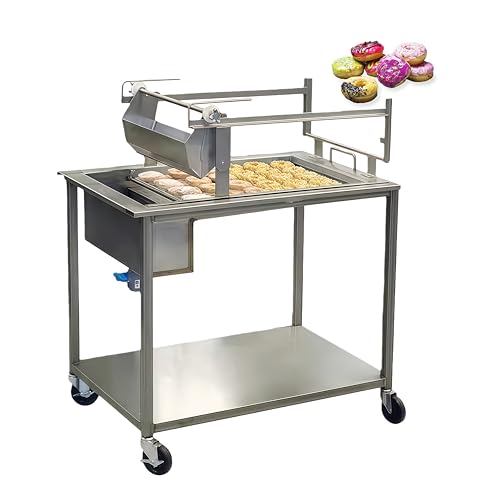
The Kolice Doughnut Glazing Machine is the ideal choice for donut shops and bakeries looking to elevate their glazing process, thanks to its efficient design that glazes 24-30 donuts simultaneously. Made of durable stainless steel, this machine guarantees long-lasting performance and is easy to clean. Its fast and uniform glazing capability isn’t just limited to donuts; it works well with cinnamon rolls and other baked goods, too. The included drain tray captures excess glaze for reuse, while the user-friendly design means anyone can operate it. With support available for any issues, the Kolice is a must-have in your bakery.
Best For: The Kolice Doughnut Glazing Machine is best for donut shops and bakeries seeking to improve their glazing efficiency and consistency.
Pros:
- Durable stainless steel construction ensures long-lasting performance and easy maintenance.
- Efficiently glazes 24-30 donuts at a time, saving time and increasing productivity.
- User-friendly design makes it suitable for anyone to operate with minimal training.
Cons:
- Initial investment may be higher compared to manual glazing methods.
- Requires a dedicated space in the kitchen due to its size.
- May not be suitable for very small bakeries with limited production needs.
Factors to Consider When Choosing an Industrial Glazing Machine for Bakery
When choosing an industrial glazing machine for your bakery, you need to evaluate several key factors. Look at the material quality and durability, glazing capacity and speed, and how user-friendly the design is. Also, think about how easy it is to maintain and clean, as well as whether it’s compatible with the baked goods you create.
Material Quality and Durability
Choosing the right industrial glazing machine for your bakery hinges greatly on material quality and durability. Opt for stainless steel, as it guarantees long-lasting performance and resists corrosion and wear. A durable construction is essential, especially in a bakery environment where machines endure frequent use and cleaning. Easy-to-clean materials not only enhance hygiene but also minimize contamination risks in food prep areas. Remember, the choice of materials impacts efficiency; high-quality components allow for faster, more uniform glazing of your baked goods. Investing in a robust glazing machine may seem like a higher upfront cost, but it pays off by reducing the need for repairs or replacements in the long run. Prioritize quality for a smoother baking operation.
Glazing Capacity and Speed
Glazing capacity and speed are vital factors that can make or break your bakery’s efficiency. You want a machine that can glaze multiple baked goods at once—ideally 24 to 30 donuts—so you can keep up with high demand during peak hours. A faster glazing process not only boosts production but also guarantees you maintain consistent quality across all your products. Machines that deliver uniform glazing help keep your customers satisfied. Additionally, consider features like sliding rails for even coverage, which can enhance both speed and efficiency. Look for a model with a sanitary drain to reuse leftover glaze, minimizing waste and maximizing productivity. These factors are fundamental for optimizing your bakery’s operations.
Design and Usability Features
Selecting the right industrial glazing machine involves more than just its capacity; you also need to take into account its design and usability features. Look for machines with a drain tray to collect excess glaze, helping reduce waste and allowing you to reuse leftover glaze. A glide or rail system for the glaze applicator guarantees even coverage across your baked goods. User-friendly designs with simple operation features are essential, enabling your staff to operate the machine with minimal training. Evaluate the machine’s capacity to confirm it meets your bakery’s production demands, such as the number of donuts it can glaze at once. Finally, prioritize durability; stainless steel construction typically offers long-lasting performance and hygienic maintenance.
Maintenance and Cleaning Ease
When it comes to maintaining an industrial glazing machine, ease of cleaning should be a top priority. Opt for machines made of stainless steel, as their non-porous surfaces make cleaning a breeze and enhance durability. Look for models with removable parts and smooth surfaces; these features facilitate thorough cleaning and maintenance. A design that includes a drain tray helps collect excess glaze, reducing mess and simplifying clean-up. Additionally, machines featuring a sanitary drain allow you to reuse leftover glaze, promoting both cleanliness and cost efficiency. Finally, verify that regular maintenance instructions are straightforward, so you can keep your machine in ideal working condition without needing specialized knowledge. This approach guarantees efficiency and longevity for your bakery’s equipment.
Compatibility With Baked Goods
Choosing the right industrial glazing machine is essential for ensuring it meets the specific needs of your bakery’s products. First, check that the machine’s dimensions align with your baked goods, like doughnuts measuring 17”x 25”. You’ll also want a machine that can glaze multiple items simultaneously, ideally between 24 to 30, to keep up during busy hours. Versatility is key, so verify it can handle various treats, including cinnamon rolls and pastries. Look for adjustable glaze coverage to cater to different styles and preferences. Finally, assess sanitation features like a drain tray for excess glaze, which promotes cost-effectiveness and minimizes waste. This compatibility will streamline your production and enhance the quality of your baked goods.
Size and Space Requirements
Finding the right size and space for an industrial glazing machine is essential to maintaining efficiency in your bakery. Start by measuring the machine’s dimensions to guarantee it fits comfortably within your workspace, allowing for smooth operation without hindering other processes. Evaluate the machine’s capacity, as it should match your production volume—think about how many donuts you need to glaze at once. Accessibility is key, so choose a design that makes it easy to maintain cleanliness and sanitation. Also, consider your bakery’s layout; confirm there’s enough clearance around the machine for safe operation and easy movement for your staff. Finally, don’t overlook the machine’s weight—heavier models might need reinforced flooring for stability and safety.
Cost and Budget Considerations
Understanding the costs associated with an industrial glazing machine is essential for your bakery’s financial health. Start with the initial purchase price, which can vary greatly depending on features, capacity, and materials—ranging from a few hundred to several thousand dollars. Don’t forget to factor in long-term operational costs like maintenance, energy, and potential repairs, as these can impact your budget considerably. Evaluate the machine’s capacity and efficiency; investing in a model that glazes more products per cycle can lower labor costs and boost productivity. Look for durable features, like stainless steel construction, to reduce replacement costs over time. Finally, consider machines with sanitary drains for glaze reuse, maximizing ingredient efficiency and minimizing waste.
Warranty and Support Options
When you’re investing in an industrial glazing machine for your bakery, evaluating the warranty and support options is essential for ensuring long-term satisfaction. Start by checking the warranty period; a longer warranty often indicates greater reliability and quality. Look for support options like customer service availability, technical assistance, and maintenance services to address issues quickly. A thorough warranty should cover both parts and labor, minimizing unexpected repair costs. Make sure the manufacturer provides clear guidelines for warranty claims, including necessary documentation and steps. Additionally, consider the availability of training and user support to help your staff operate the glazing machine effectively, which can greatly reduce downtime and enhance productivity.